Written by

ICONIC FRAME
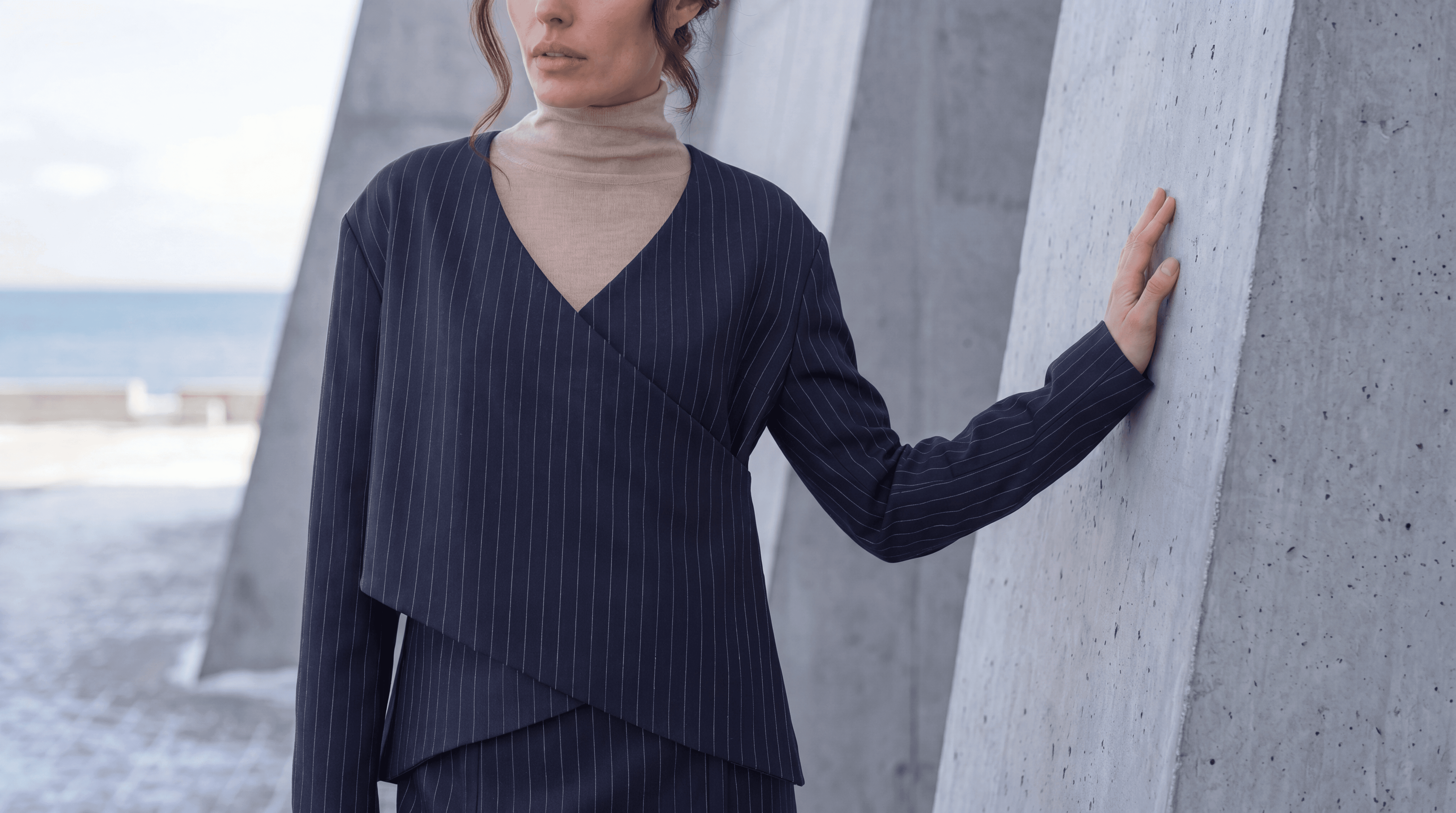
Not all AI visuals are created equal. The difference between unpolished AI content and premium brand content comes from creative direction, styling, the right tools, editing and human quality control.
Section
Why AI content can look unpolished
AI content often looks unpolished when it is created without a clear visual direction. Random generation can lead to strange poses, unnatural skin, inconsistent lighting, unrealistic fabrics, distorted details or visuals that do not match the brand at all.
The problem is not AI itself. The problem is using AI without creative control, styling, references, editing and a clear understanding of what the brand needs.
Realism is not enough
A visual can look technically realistic and still feel wrong for the brand. Premium content is not only about sharp details or a realistic face. It also needs the right mood, model type, styling, location, lighting, color palette and composition.
For fashion, beauty and product brands, the image must feel intentional. It should look like it belongs to the brand world, not like a random AI picture that could be used by anyone.
The role of creative direction
Creative direction is what turns AI generation into brand content. Before creating visuals, we define the mood, references, model type, location, styling, product focus and final use case.
This step matters because every brand has its own visual language. A minimal premium fashion brand, a bright beauty brand and an e-commerce project all need different types of AI visuals.
Styling and brand DNA
Styling is one of the main things that separates unpolished AI content from premium visuals. The outfit, fit, pose, accessories, hair, makeup, background and overall mood should work together.
At ICONIC FRAME, we create visuals around the brand DNA, not just around a prompt. We look at the product, audience, campaign goals and visual identity before choosing the direction.
Tools and post-production matter
High-quality AI content also depends on the tools and the final editing process. The first generation is rarely the final result. Premium visuals often require refinement, retouching, correction of details, color work and post-production.
This is why AI content should not be treated as a one-click result. It is a creative process where each stage affects how realistic, polished and brand-ready the final image looks.
Human quality control
Human control is essential. AI can generate the base, but people decide whether the result is usable for a real brand. A professional team checks the model, face, hands, fabric, product shape, lighting, background, styling and overall consistency.
This is especially important for brands that want AI visuals for campaigns, social media, websites, marketplaces or lookbooks. The content must not only look beautiful — it must also be accurate, usable and aligned with the brand.
The ICONIC FRAME approach
At ICONIC FRAME, we do not create random AI images. We build AI visuals through creative direction, styling, paid AI tools, editing and human quality control.
Our goal is to make AI content look realistic, premium and brand-aligned. The final result should feel like a polished fashion or product campaign, not like experimental AI output.
How to make AI content feel premium
To make AI content premium, brands need more than a prompt. They need a clear concept, strong references, the right model direction, thoughtful styling, careful editing and a team that understands both AI tools and brand communication.
When all of these elements work together, AI visuals can become a powerful part of a brand’s content system — helping create photo and video content for campaigns, social media, e-commerce and product launches.
Want to create AI visuals that feel premium and brand-ready? Book a call.